
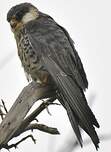
Amur Falcon
Falco amurensis - Faucon de l'Amour
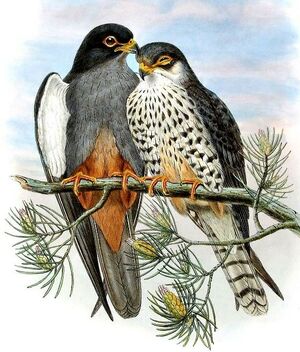
Systematics
-
Order:
Falconiformes
-
Family:
Falconidés
-
Genus:
Falco
-
Species:
amurensis
Descriptor
Biometrics
- Size: 30 cm
- Wingspan: 63 à 71 cm.
- Weight: 97 à 188 g
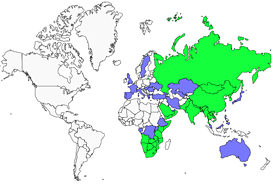
Geographic range
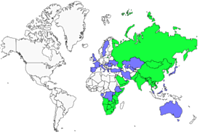
Identification
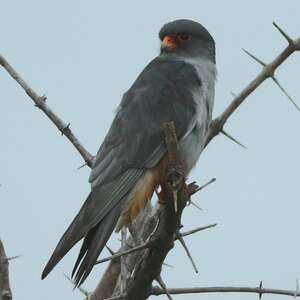
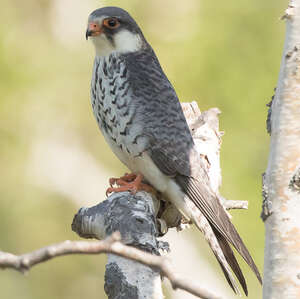
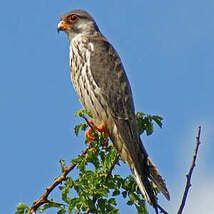
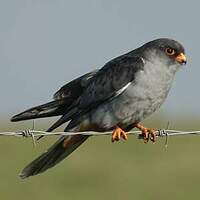
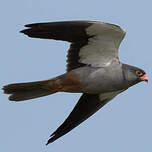
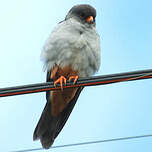
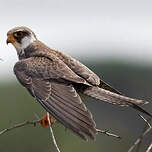
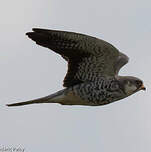
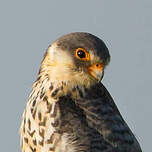
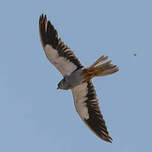
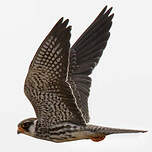
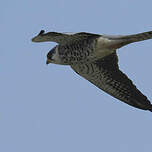
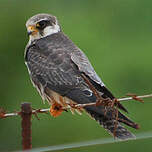
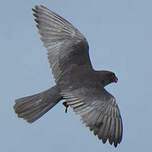
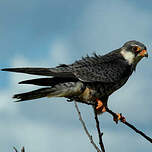
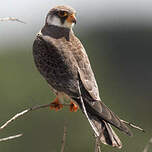
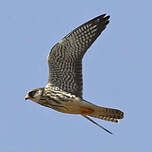
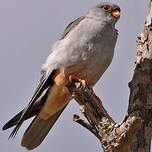
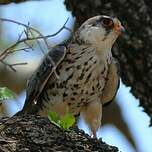
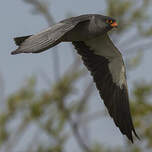
Amur Falcon (Falco amurensis) is a species of bird in the Falconidae family.
Subspecific information monotypic species
Foreign names
- Faucon de l'Amour,
- Cernícalo del Amur,
- falcão-do-amur,
- Amurfalke,
- amuri vércse,
- Amoerroodpootvalk,
- Falco dell'Amur,
- amurfalk,
- Amurfalk,
- sokol amurský,
- poštolka amurská,
- Amurfalk,
- amurinhaukka,
- Oostelike Rooipootvalk (Amurvalk),
- falcó de l'Amur,
- kobczyk amurski,
- Amūras piekūns,
- Амурский кобчик,
- アカアシチョウゲンボウ,
- 红脚隼,
- เหยี่ยวตีนแดง,
- 紅腳隼〔阿穆爾隼〕,
Habitat
Forest : Temperate ; Savanna : Dry ; Grassland : Temperate, Subtropical/Tropical Dry ; Wetlands (inland) : Bogs, Marshes, Swamps, Fens, Peatlands
Threats - protection
IUCN conservation status
Extinct
Threatened
Least
concern
concern
Extinc
in the Wild
in the Wild
Near
threatened
threatened
Not
evaluated
evaluated
EX
EW
CR
EN
VU
NT
LC
NE
Sources of information
- Birds of East Africa, C.A.W. Guggisberg
- Field Guide Birds of Southern Africa, Ian Sinclair
- Vol. 1 - Handbook of the Birds of the World, Josep del Hoyo-Andrew Elliot-Jordi Sargatal
- ARKive, Christopher Parsons
- Avibase, Lepage Denis
- Birds of Southern Africa, Tony Roocroft
- Global raptors,
- HBW Alive,
- IOC World Bird List (v14.1), Gill, F and D Donsker (Eds). 2024-04-18.
Other sources of interest

- Accipitriformes
- Aegotheliformes
- Anseriformes
- Apodiformes
- Apterygiformes
- Bucerotiformes
- Caprimulgiformes
- Cariamiformes
- Casuariiformes
- Charadriiformes
- Ciconiiformes
- Coliiformes
- Columbiformes
- Coraciiformes
- Cuculiformes
- Eurypygiformes
- Falconiformes
- Galliformes
- Gaviiformes
- Gruiformes
- Leptosomiformes
- Mesitornithiformes
- Musophagiformes
- Nyctibiiformes
- Opisthocomiformes
- Otidiformes
- Passeriformes
- Pelecaniformes
- Phaethontiformes
- Phoenicopteriformes
- Piciformes
- Podargiformes
- Podicipediformes
- Procellariiformes
- Psittaciformes
- Pterocliformes
- Rheiformes
- Sphenisciformes
- Steatornithiformes
- Strigiformes
- Struthioniformes
- Suliformes
- Tinamiformes
- Trogoniformes