
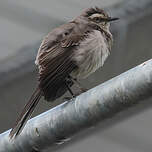
Tropical Mockingbird
Mimus gilvus - Moqueur des savanes
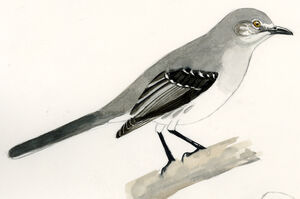
Systematics
-
Order:
Passeriformes
-
Family:
Mimidés
-
Genus:
Mimus
-
Species:
gilvus
Descriptor
Biometrics
- Size: 26 cm
- Wingspan: -
- Weight:
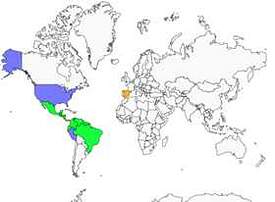
Geographic range
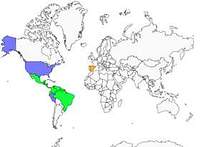
Identification
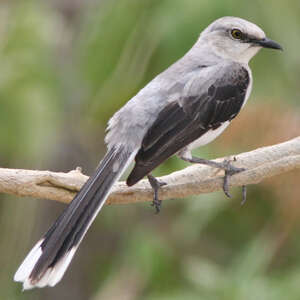
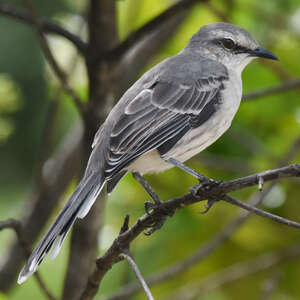
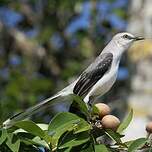
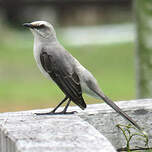
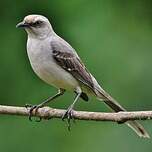
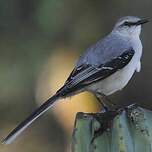
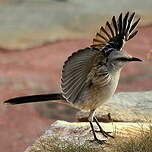
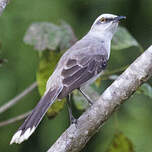
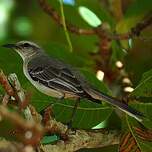
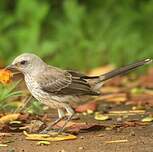
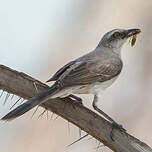
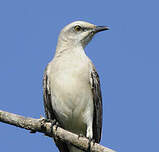
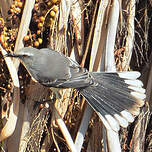
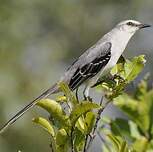
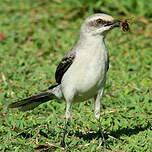
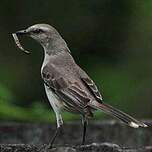
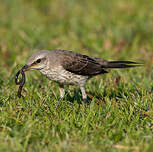
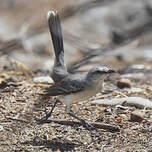
Tropical Mockingbird (Mimus gilvus) is a species of bird in the Mimidae family.
Subspecific information 10 subspecies
- Mimus gilvus gilvus (Suriname and French Guiana)
- Mimus gilvus gracilis (s Mexico to Honduras and El Salvador)
- Mimus gilvus leucophaeus (Yucatán Pen.. se Mexico. and Cozumel I. (off se Mexico))
- Mimus gilvus antillarum (Lesser Antilles south from Antigua)
- Mimus gilvus tobagensis (Trinidad and Tobago)
- Mimus gilvus rostratus (islands off n Venezuela)
- Mimus gilvus melanopterus (n Colombia, Venezuela, Guyana and n Brazil)
- Mimus gilvus tolimensis (e El Salvador to c Panama, w and c Colombia to n Ecuador)
- Mimus gilvus antelius (ne and e Brazil)
- Mimus gilvus magnirostris (San Andrés I.. off e Nicaragua.)
Foreign names
- Moqueur des savanes,
- Sinsonte tropical,
- sabiá-da-praia,
- Tropenspottdrossel,
- Tropische Spotlijster,
- Mimo tropicale,
- tropikhärmtrast,
- Tropespottefugl,
- spevák tropický,
- drozdec tropický,
- Tropespottedrossel,
- tropiikkimatkija,
- mim de les sabanes,
- przedrzeźniacz siwy,
- Тропический певчий пересмешник,
- フナシマネシツグミ,
- 热带小嘲鸫,
- 熱帶小嘲鶇,
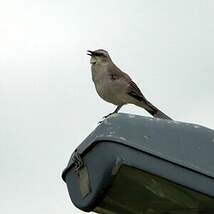
Habitat
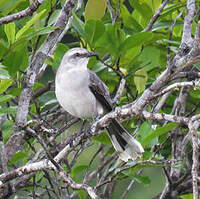
Forest : Subtropical/Tropical Dry, Subtropical/Tropical Moist Lowland ; Savanna : Dry ; Shrubland : Subtropical/Tropical Dry, Subtropical/Tropical High Altitude ; Artificial/Terrestrial : Arable Land, Rural Gardens, Subtropical/Tropical Heavily Degraded Former Forest
Threats - protection
IUCN conservation status
Extinct
Threatened
Least
concern
concern
Extinc
in the Wild
in the Wild
Near
threatened
threatened
Not
evaluated
evaluated
EX
EW
CR
EN
VU
NT
LC
NE
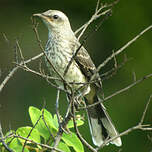
Sources of information
- Vol. 10 - Handbook of the Birds of the World, Josep del Hoyo-Andrew Elliott-David Christie
- Wrens, dippers and thrashers, Brewer David, McKay Barry Kent
- Avibase, Lepage Denis
- IOC World Bird List (v14.1), Gill, F and D Donsker (Eds). 2024-04-18.
Other sources of interest

- Accipitriformes
- Aegotheliformes
- Anseriformes
- Apodiformes
- Apterygiformes
- Bucerotiformes
- Caprimulgiformes
- Cariamiformes
- Casuariiformes
- Charadriiformes
- Ciconiiformes
- Coliiformes
- Columbiformes
- Coraciiformes
- Cuculiformes
- Eurypygiformes
- Falconiformes
- Galliformes
- Gaviiformes
- Gruiformes
- Leptosomiformes
- Mesitornithiformes
- Musophagiformes
- Nyctibiiformes
- Opisthocomiformes
- Otidiformes
- Passeriformes
- Pelecaniformes
- Phaethontiformes
- Phoenicopteriformes
- Piciformes
- Podargiformes
- Podicipediformes
- Procellariiformes
- Psittaciformes
- Pterocliformes
- Rheiformes
- Sphenisciformes
- Steatornithiformes
- Strigiformes
- Struthioniformes
- Suliformes
- Tinamiformes
- Trogoniformes