
Canada Goose
Branta canadensis - Bernache du Canada
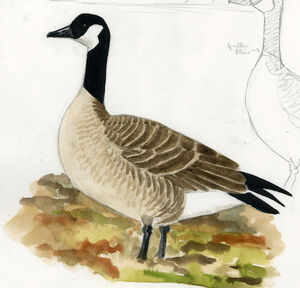
Systematics
-
Order:
Anseriformes
-
Family:
Anatidés
-
Genus:
Branta
-
Species:
canadensis
Descriptor
Biometrics
- Size: 110 cm
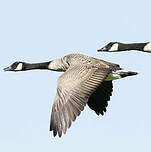
- Wingspan: 122 à 183 cm.
- Weight: 4300 à 5000 g
Longevity
24 years
Geographic range

Identification
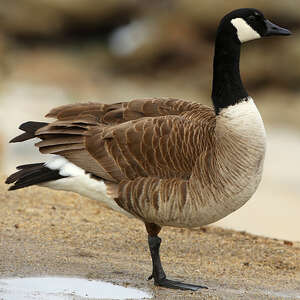
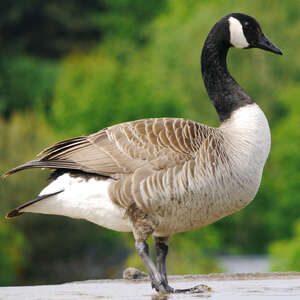
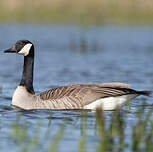
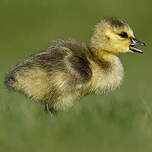
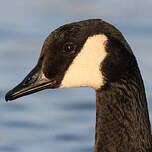
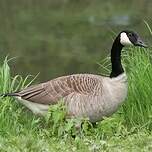
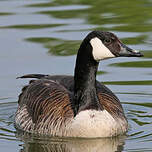
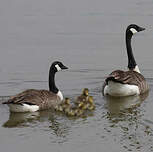
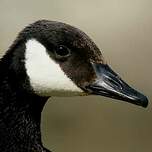
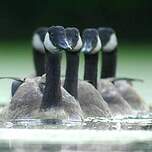
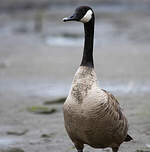
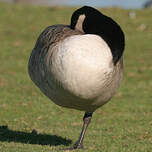
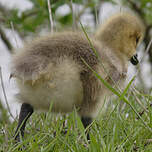
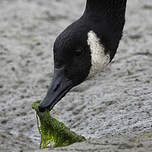
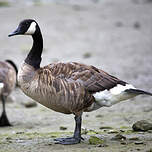
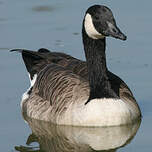
Canada Goose (Branta canadensis) is a species of bird in the Anatidae family.
Subspecific information 7 subspecies
- Branta canadensis canadensis (e Canada)
- Branta canadensis occidentalis (sw Alaska)
- Branta canadensis fulva (s Alaska. USA. , w British Columbia (Canada))
- Branta canadensis maxima (sc Canada)
- Branta canadensis parvipes (c Alaska. USA. to c Canada)
- Branta canadensis moffitti (sw Canada and nw USA)
- Branta canadensis interior (sc Canada)
Foreign names
- Bernache du Canada,
- Barnacla canadiense grande,
- ganso-do-canadá,
- Kanadagans,
- kanadai lúd,
- Grote Canadese Gans,
- Oca canadese,
- kanadagås,
- Kanadagås,
- bernikla veľká,
- berneška velká,
- Canadagås,
- kanadanhanhi,
- oca del Canadà,
- Kanadagæs,
- bernikla kanadyjska,
- Kanādas zoss,
- kanadska gos,
- Канадская казарка,
- カナダガン,
- 加拿大黑雁,
- 加拿大雁,
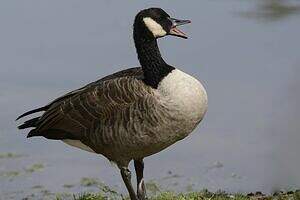
Habitat
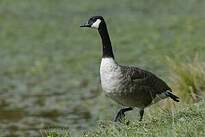
Grassland : Tundra, Temperate ; Wetlands (inland) : Bogs, Marshes, Swamps, Fens, Peatlands, Permanent Freshwater Lakes (over 8ha), Permanent Saline, Brackish or alkaline Marshes/Pools ; Artificial/Terrestrial : Arable Land, Urban Areas ; Artificial/Aquatic and Marine : Excavations (open)

Threats - protection
IUCN conservation status
Extinct
Threatened
Least
concern
concern
Extinc
in the Wild
in the Wild
Near
threatened
threatened
Not
evaluated
evaluated
EX
EW
CR
EN
VU
NT
LC
NE
Sources of information
- IOC World Bird List (v14.1), Gill, F and D Donsker (Eds). 2024-04-18.
Other sources of interest

- Accipitriformes
- Aegotheliformes
- Anseriformes
- Apodiformes
- Apterygiformes
- Bucerotiformes
- Caprimulgiformes
- Cariamiformes
- Casuariiformes
- Charadriiformes
- Ciconiiformes
- Coliiformes
- Columbiformes
- Coraciiformes
- Cuculiformes
- Eurypygiformes
- Falconiformes
- Galliformes
- Gaviiformes
- Gruiformes
- Leptosomiformes
- Mesitornithiformes
- Musophagiformes
- Nyctibiiformes
- Opisthocomiformes
- Otidiformes
- Passeriformes
- Pelecaniformes
- Phaethontiformes
- Phoenicopteriformes
- Piciformes
- Podargiformes
- Podicipediformes
- Procellariiformes
- Psittaciformes
- Pterocliformes
- Rheiformes
- Sphenisciformes
- Steatornithiformes
- Strigiformes
- Struthioniformes
- Suliformes
- Tinamiformes
- Trogoniformes